-
Locations in Berlin
- 88
-
Visitors per year
- 8.4 million
-
Events per year
- +30,000

Wiblio
Libraries as Digital Third Places - because the energy of an event shouldn't end when people leave the room.
The Story
Berlin's libraries are the city's most visited cultural institutions. They facilitate more than 30.000 events per year, where people meet and ideas are shared. Yet the energy of these events often dissipates the moment people walk out the door. Further conversation is lost on various digital commercial platforms with unclear data protection and no connection to the library.
With Wiblio, the Zentral- und Landesbibliothek Berlin bridges the gap between physical gatherings and the digital world. Privacy-first, publicly governed, and built upon open-source software, Wiblio provides a digital extension of Berlin libraries as places for exchange and community.
A product for

Zentral- und Landesbibliothek Berlin
The Vision
Berlin's libraries need a digital home that matches the values of their physical presence: trusted, easy to use and open to everyone. Wiblio is that space, a digital extension of the libraries as places of encounter, learning and exchange, intended as a retention instrument that brings people back to the physical space.
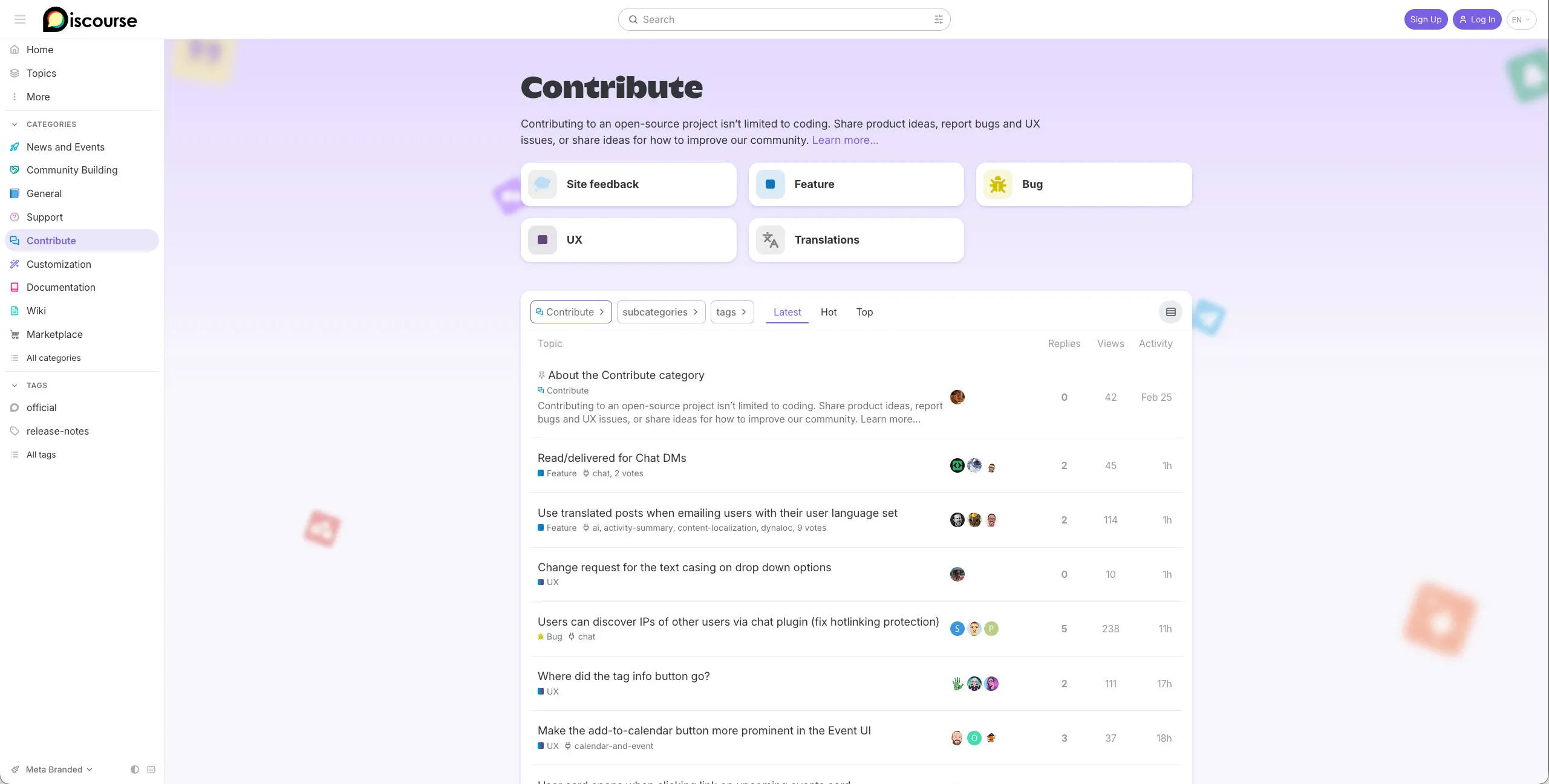
To achieve this, Wiblio is based on Discourse, the world's leading open-source forum software. It comes batteries included with chat, forum, calendar, contacts, events and more all in a single platform.
A coherent user experience: No fragmented tools, no juggling between apps!
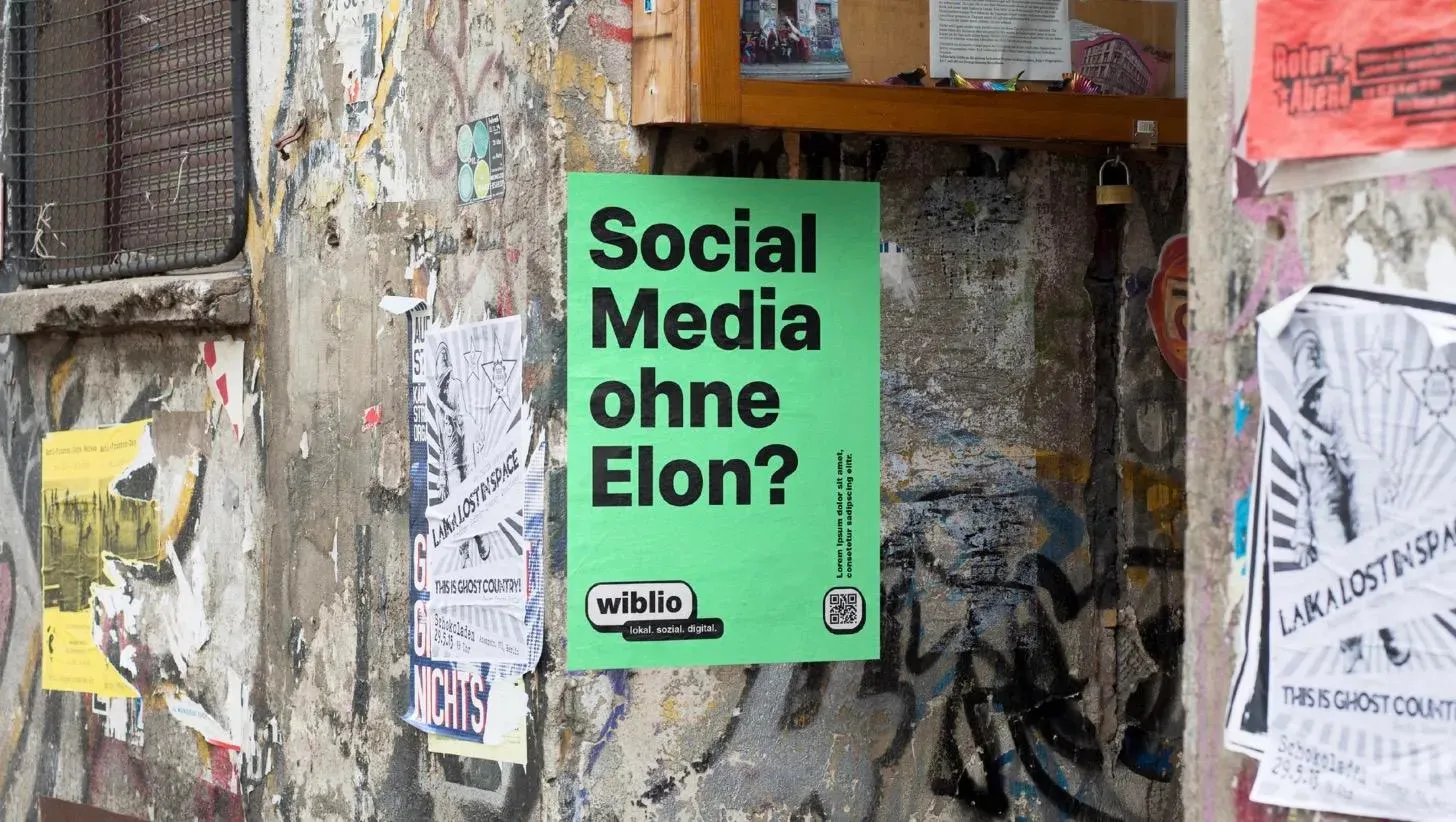
As public infrastructure, the platform is sovereign with strict data protection, no ads and no vendor lock-in, where the city owns the data and the infrastructure.
The Goals
Wiblio is built for already existing communities - groups that meet at the library, attend the same events and share the same interests. They should have a digital home that feels like an extension of the library, rather than a replacement. Wiblio is a large net of small, focused micro-communities, rather than a sprawling social network.
The platform aims to extend the social impact of Berlin's libraries into the digital space, creating a safe environment for learning and dialogue.
Wiblio should be easy to operate for all groups of users, regardless of their technical experience. The ambition is to build something robust and reusable that other libraries and public institutions can adopt too - a piece of digital infrastructure.
The Implementation
Discourse is a powerful foundation, but out of the box, it's a general-purpose tool and can feel overwhelming to non tech-savvy people. Making it feel like a natural extension of Berlin's libraries - coherent and welcoming - required some custom tailoring.
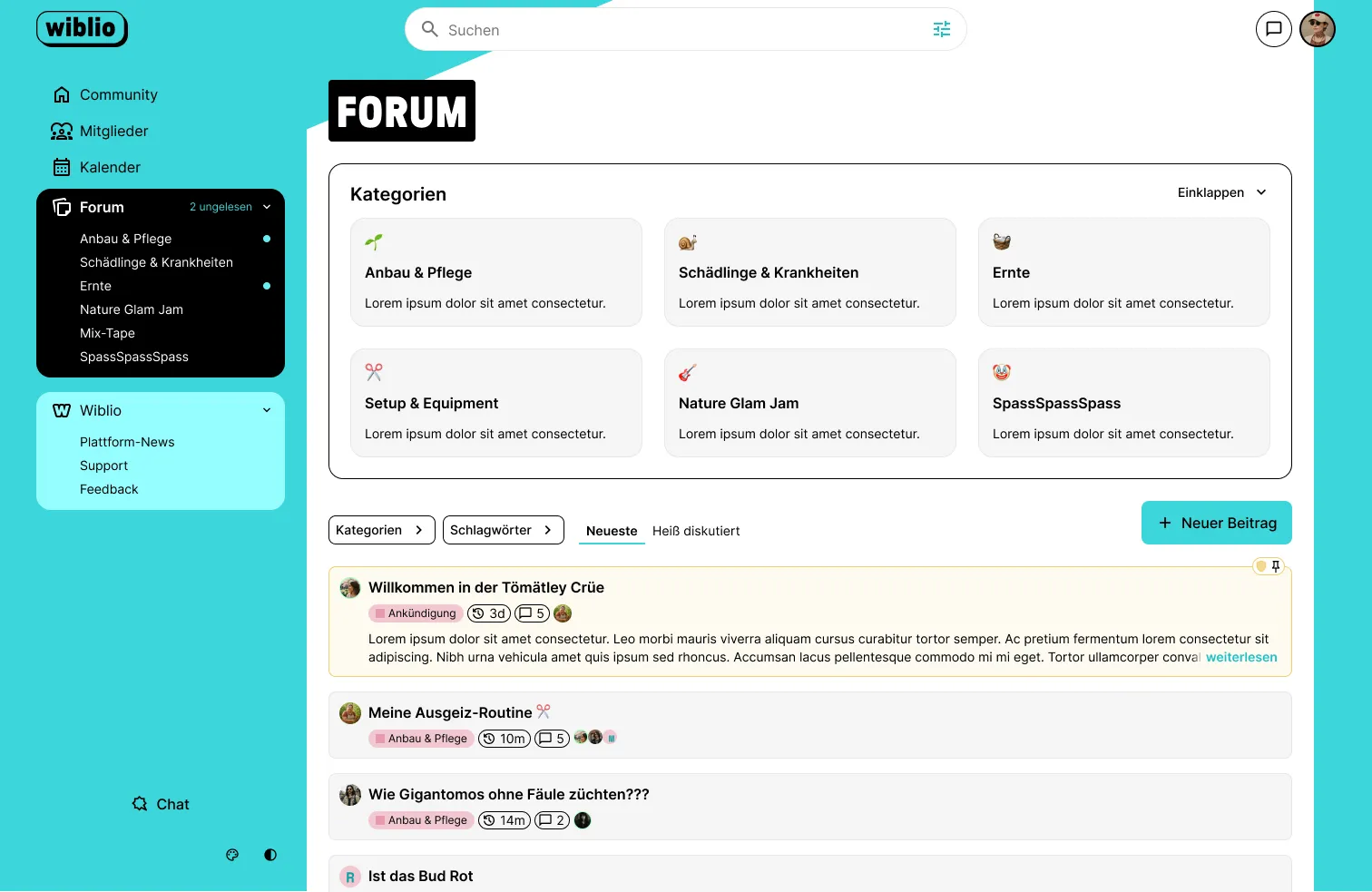
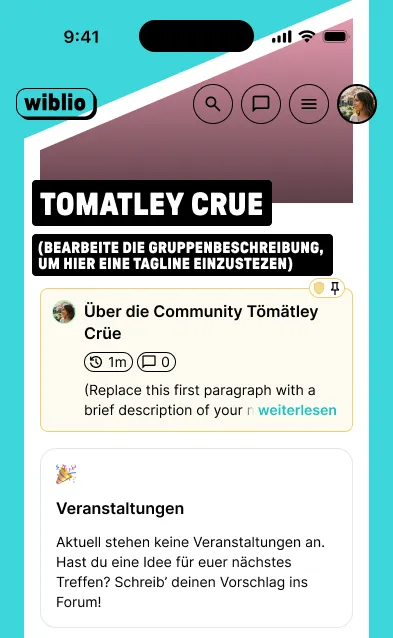
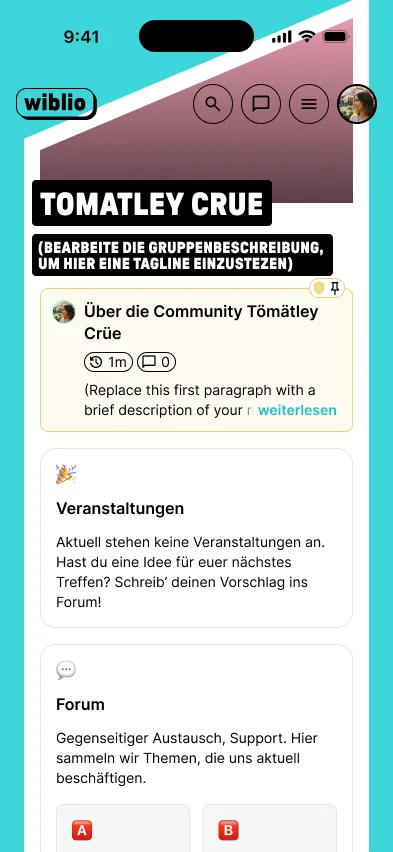
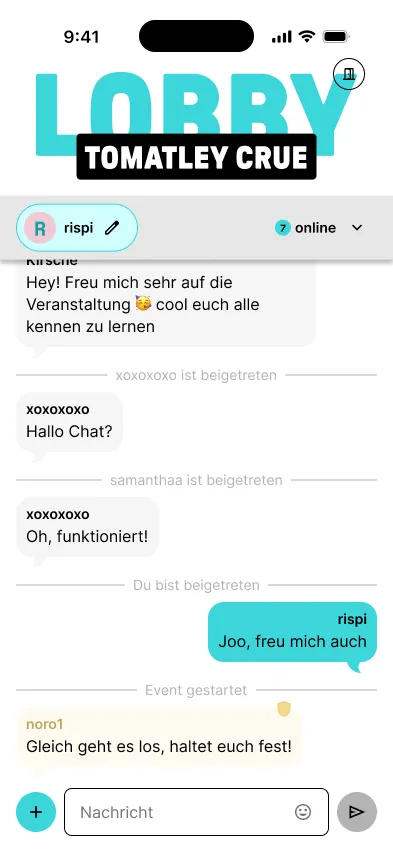
Together with the team at ZLB, bitcrowd implemented a custom Discourse theme that reshapes the entire user experience of the platform. With a visual language that strips away complexity and puts ease of use first, so that any community member, regardless of their technical confidence is able to find their way and get things done.
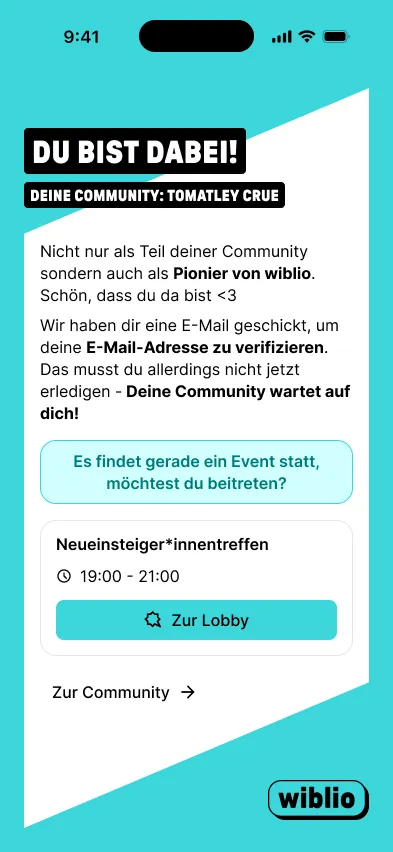
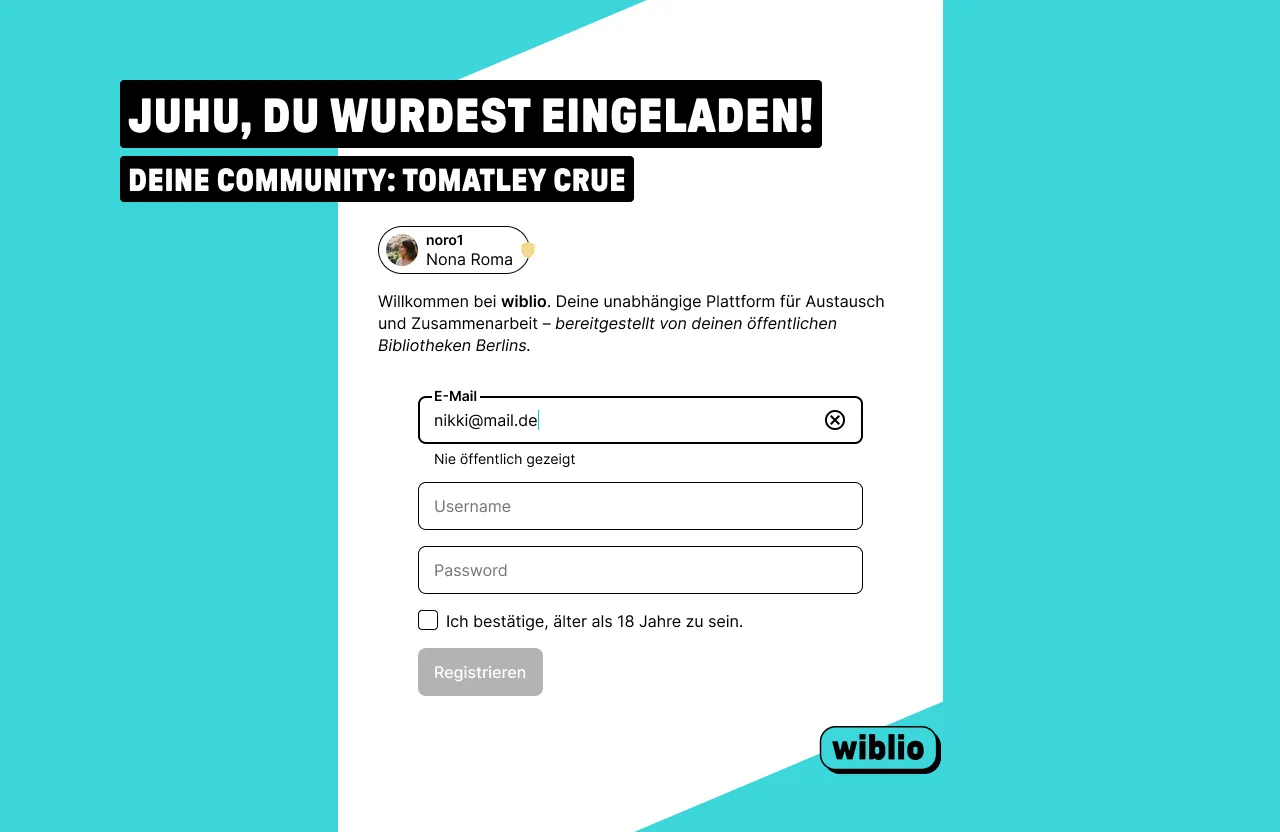
On top of that, our team developed a set of custom Discourse plugins to extend and adjust the system to Wiblio's specific needs. This includes a custom invitation and onboarding flow, a navigation specifically tailored for the needs of small micro-communities, some troll-prevention mechanisms, custom community pages and more.
The Strategy
Discourse is one of the largest open-source Ruby and Ember projects out there - a major and complex codebase with a vast surface area of features and extension points. That's what makes it powerful, but also means that any change or addition requires extra careful planning and research upfront.
Extending and adapting Discouse the right way — in a manner that is noninvasive, robust, maintainable and compatible both backwards and forwards — means understanding not just what is possible, but how the internals are wired up and where the right seams are.
Along the way, bitcrowd contributed improvements back to Discourse itself and was in contact with the core maintainers to ensure our work is beneficial for all users of Discourse.
Have questions?
Want to know more about our strategies with this project? Let's talk.